








In July 1990, CBS viewers tuned in to a fish-out-of-water story set in a remote Alaskan village.
But sharp-eyed viewers realized that the town featured in 鈥淣orthern Exposure鈥� was not real Alaska.
For five years, the old mining town of Roslyn in Washington state stood in for the fictional Cicely, Alaska, where New Yorker Joel Fleishman found himself not only dealing with life in a rustic corner of America鈥檚 Last Frontier, but with the quirky characters who called the imaginary community home.
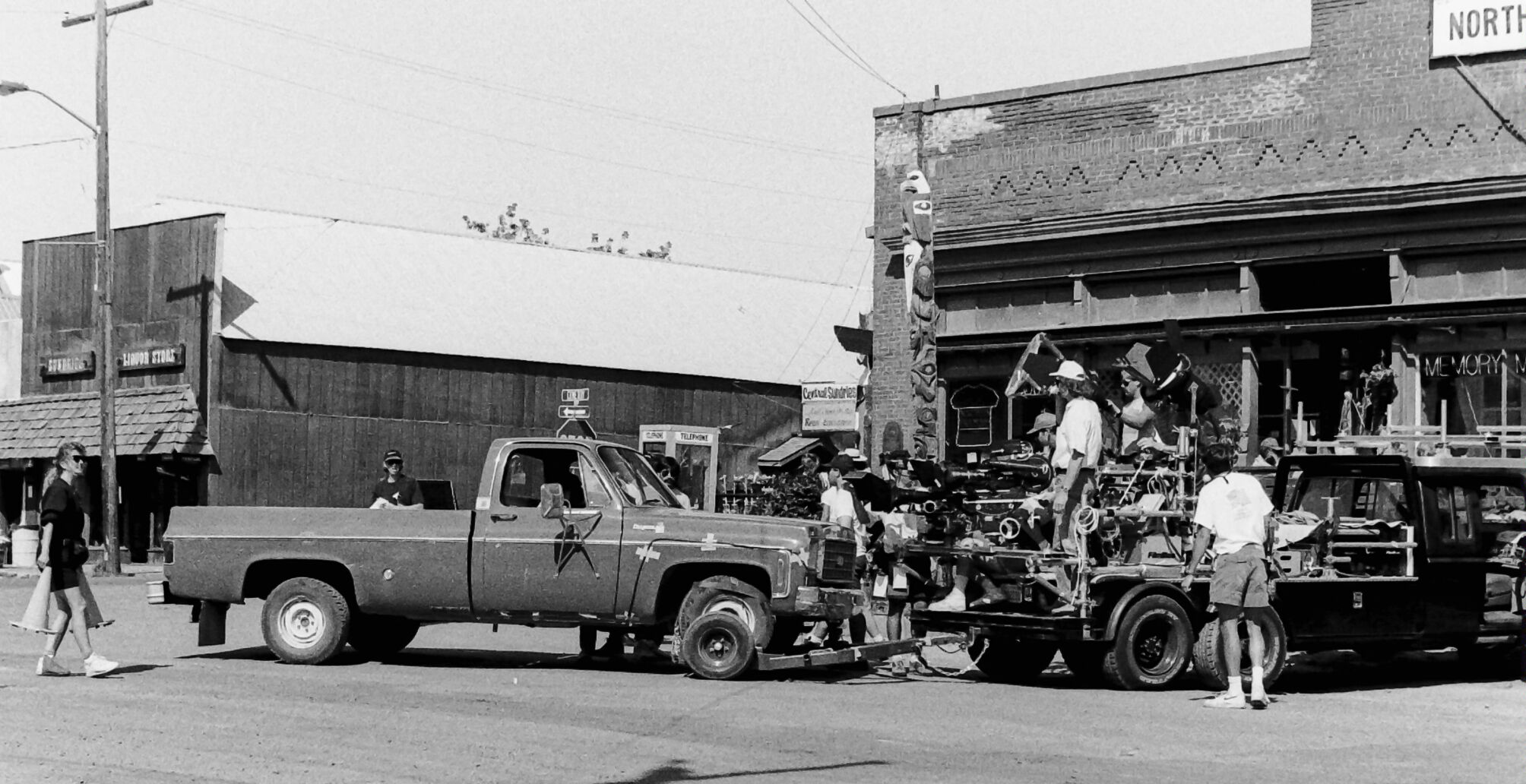
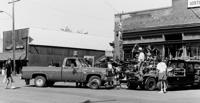
The production crew films a portion of the 1992 "Northern Exposure" episode "Northwest Passages" which included a subplot of one of the characters learning to drive.
While CBS pulled the plug on the series in 1995, Cicely lives on in the hearts of the fans and in Roslyn, which hosts a gathering called for fans to celebrate the show. Fans from around the country and world continue to visit some of the buildings that were made famous in the series.
Even without 鈥淣orthern Exposure,鈥� Roslyn has a colorful history. It was first settled in 1886, when the Northern Pacific Railway discovered coal deposits in the surrounding mountains, starting out as a camp before turning into a company town.
It was also where armed cowboys made off with thousands of dollars from a branch of cattle baron Ben Snipes鈥� bank in a caper that read like the plot of a dime novel.
Roslyn鈥檚 mines remained in operation until 1962, partly a victim of railroads switching from steam to diesel locomotives, negating the need for coal mines.
Unlike other mining towns that die off when the mines closed, Roslyn hung on, with Seattleites seeing it as a lower-cost place to live compared to the city.
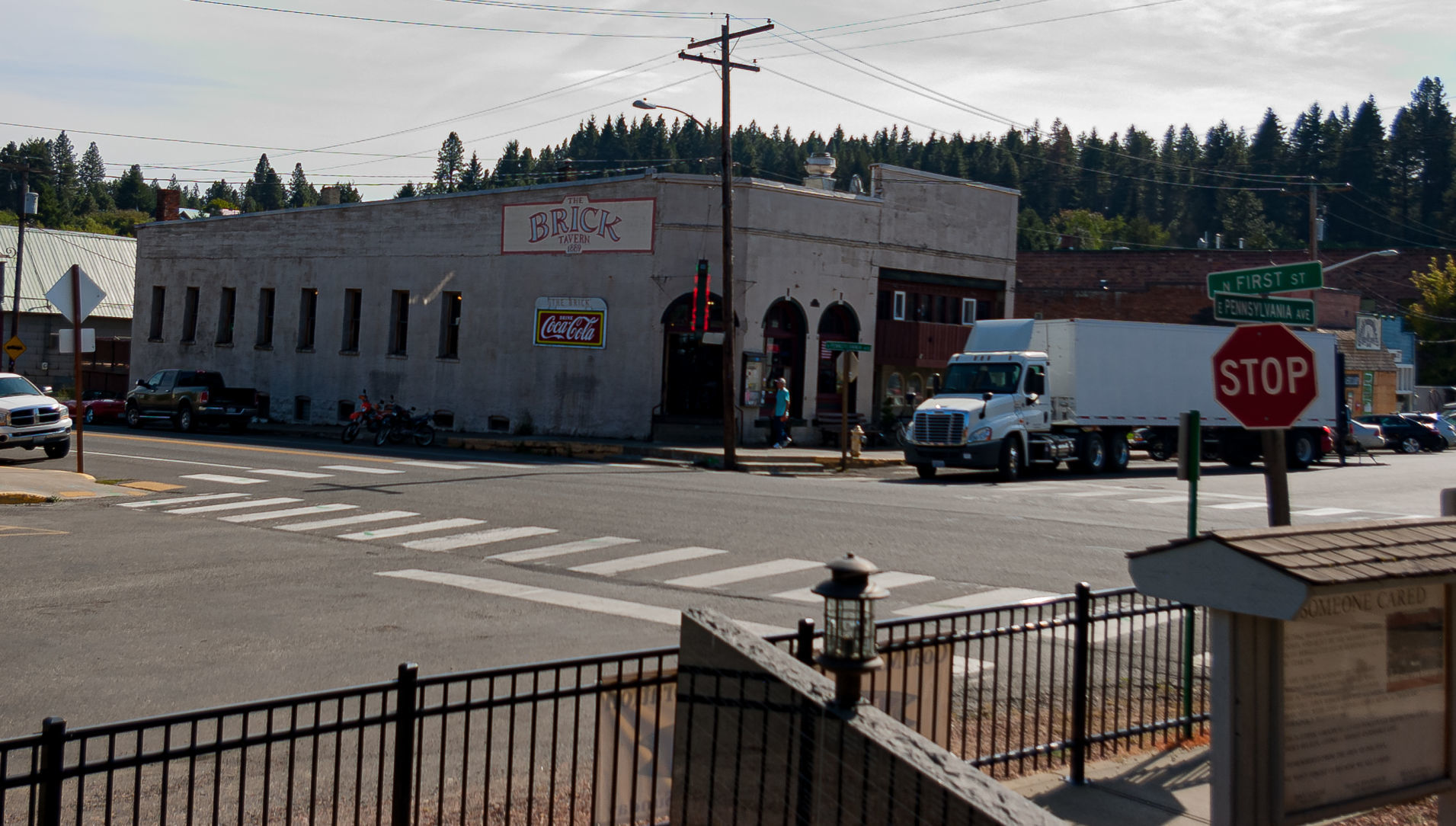
The Brick in Roslyn is considered by some the oldest saloon in Washington state. Dating to 1889, it was made famous by the long-running TV show 鈥淣orthern Exposure.鈥�
Roslyn鈥檚 rustic look and location proved ideal for Northern Exposure鈥檚 producers. One didn鈥檛 have to suspend too much disbelief 鈥� unless they were from Washington state 鈥� to believe that the weathered buildings were in a far corner of Alaska.
Roslyn's location in the Cascades means it gets significant snow in the winter, which further sold the illusion.
Plus, it was also a short run over the mountains to Seattle, where some of the interior scenes were filmed on soundstages. For the pilot episode, Bellevue鈥檚 skyline stood in for Anchorage.
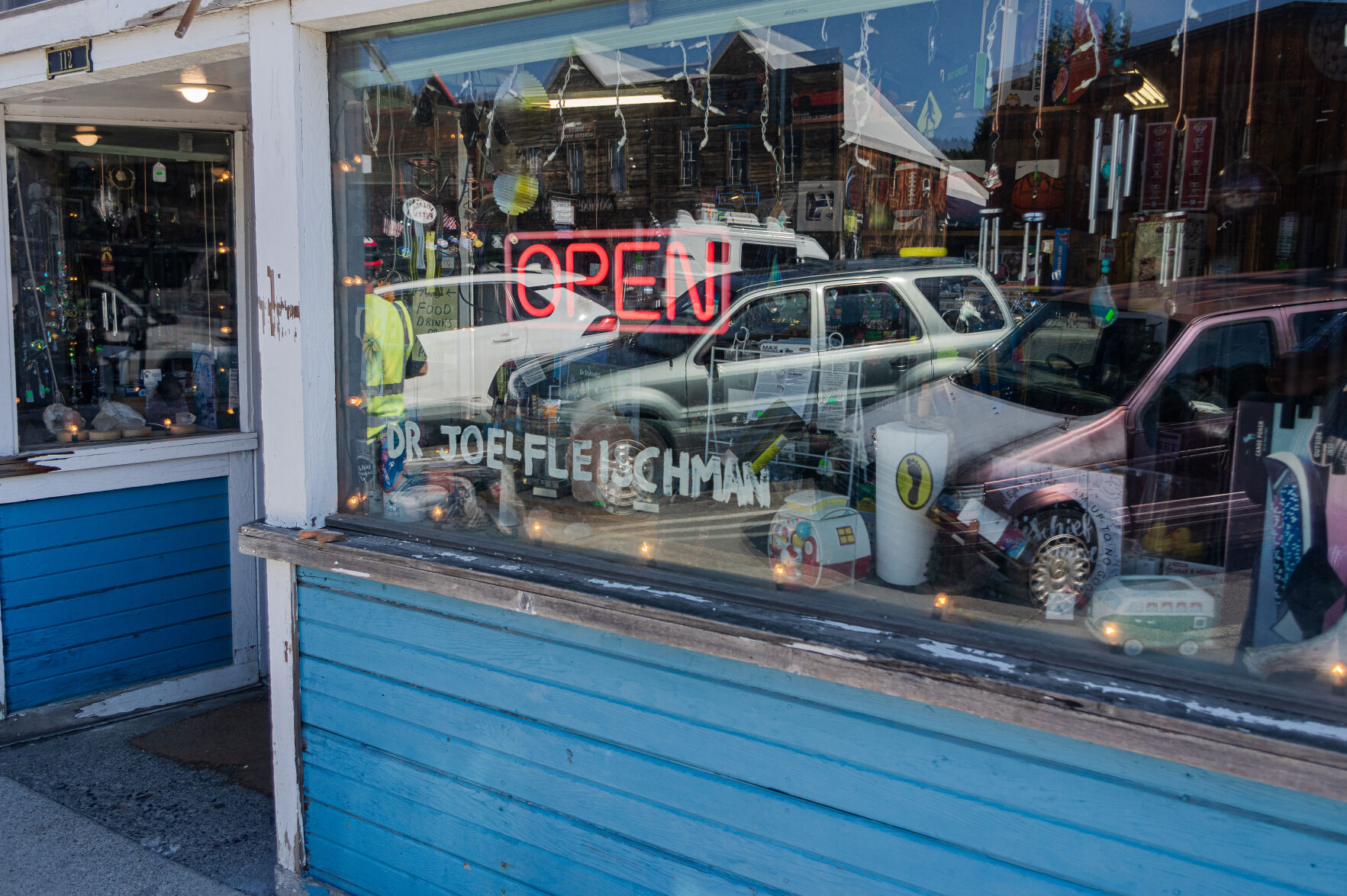
Cicely's Gift Shop still has the hand-painted sign indicating it was the office of "Northern Exposure's" protagonist, Dr. Joel Fleischman. The shop sells "Northern Exposure" souvenirs and DVDs of the series.
The show told the story of Fleischman (Rob Morrow), newly graduated from Columbia University's medical school in New York, heading off to Alaska to work off the scholarship he received from the state. Instead of practicing medicine in Anchorage as he expected, he was shipped off 鈥� or banished, from Fleischman鈥檚 perspective 鈥� to Cicely, which the show鈥檚 producers said was a five-hour trip from Anchorage.
While the culture shock of being dropped into a remote hamlet where there isn鈥檛 a bagel to be found for hundreds of miles (trust me, as an easterner, that鈥檚 a big deal), Fleischman found himself surrounded by 鈥渃olorful鈥� characters in the town.
Among them were Maurice Minnifield (Berry Corbin), an ex-astronaut, richest man in town and the one holding Fleischman to his commitment; Maggie O鈥機onnell (Janine Turner), the bush pilot with whom Fleishman has a 鈥渃omplicated鈥� relationship; aspiring filmmaker and shaman-in-training Ed Chigliak (Darren E. Burrows) who was tutored by Leonard Quinhagak (Graham Greene); and radio host/mail-order clergyman Chris Stevens (John Corbett).
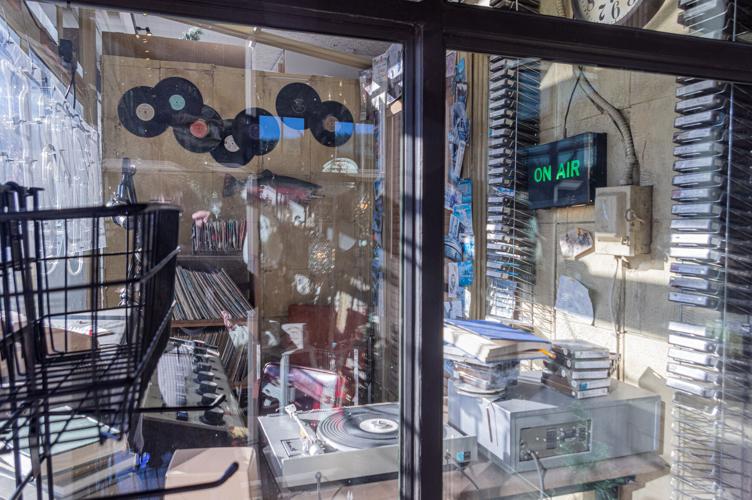
Stevens was usually seen behind the mic at the KBHR storefront studio, dispensing his insights on episode鈥檚 overall theme as part of a radio show that promised listeners 鈥淐offee, Commentary and Kafka.鈥�
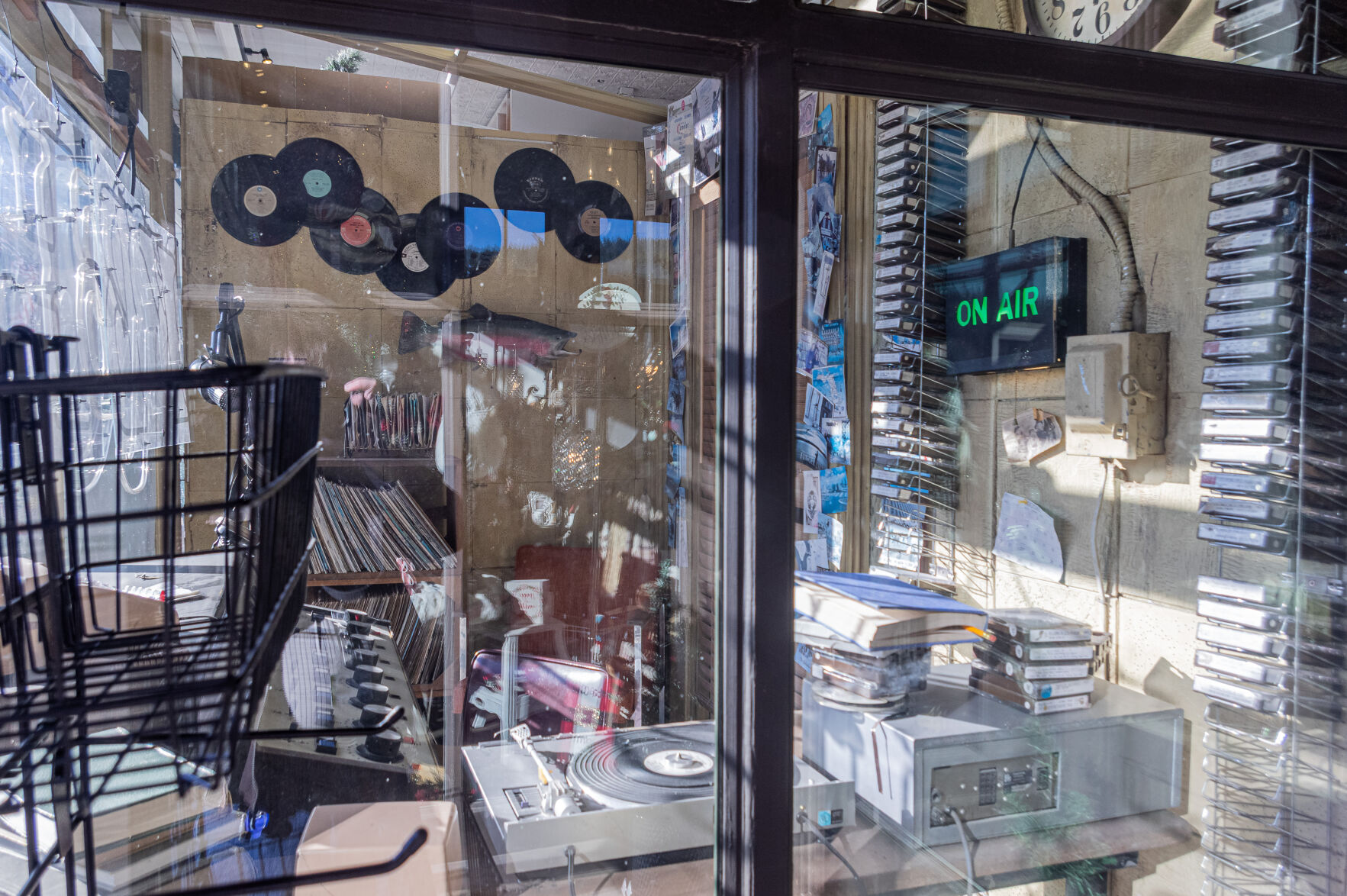
The KBHR studio set from "Northern Exposure," near the original site it was located in the former company store in Roslyn, Wash.
Filming began in the spring of 1990, with parts of the city transformed into a Hollywood backlot with elaborate lighting and film rigs, catering trucks and the small army of lighting, audio and electrical technicians in tow.
Some of the buildings in Roslyn did double duty as indoor sets, such as the building where Fleischman鈥檚 office was located, which had movable walls installed to accommodate the film rigs in the reception area and the exam room, as well as the radio booth in the storefront of the old Northwest Improvement Company store.
At the Roslyn Grocery, part of the store was cordoned off with warning tape as a 鈥渉ot set鈥� for Ruth-Ann鈥檚 store.
The Brick, which has the distinction of being the oldest continuously operating bar in the state, was the exterior for Cicely鈥檚 watering hole. But the interior shots were done on a sound stage rather than inside the bar.
Roslyn business owners found the production to be a boon for the community, especially from the food and other necessities the production crews purchased locally.

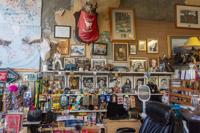
The interior of Cicely's Gift Shop, which was also the set for Dr. Joel Fleischman's office in "Northern Exposure" features photos of the cast, as well as a map with pins indicating where fans of the show who visited came from.
鈥淚n a聽small town where many people have a hard time making ends meet, this means they can pay their bills,鈥� Cindy Schmidt, owner of the Purple Anntix Antique Store said in a 1990 interview. 鈥淎nd that makes a big difference to everybody.鈥�
Roslyn residents also had the chance to be on screen as extras, with the production company putting out casting calls for people and older cars.
The show ran until 1995, when Morrow departed to pursue a film career and network executives moved the show from Monday to Wednesday night, a less desirable time slot. Such a move is seen in the TV industry as a way to kill off a show.
But the show鈥檚 cancellation didn鈥檛 mean it was gone from Roslyn. Instead, it has been a boon to tourism.
For five years, the old mining town of Roslyn in Washington state stood in for the fictional Cicely, Alaska, where New Yorker Joel Fleishman found himself not only dealing with life in a rustic corner of America鈥檚 Last Frontier, but with the quirky characters who called the imaginary community home. Some of the show's iconic locations remain in Roslyn, where fans come to visit.
Today at Cicely鈥檚 Gift Shop, a map on the board is covered with pins showing where fans who visited the store live. The store is decorated with pictures of the cast, and sells 鈥淣orthern Exposure鈥� souvenirs and DVDs of the series.
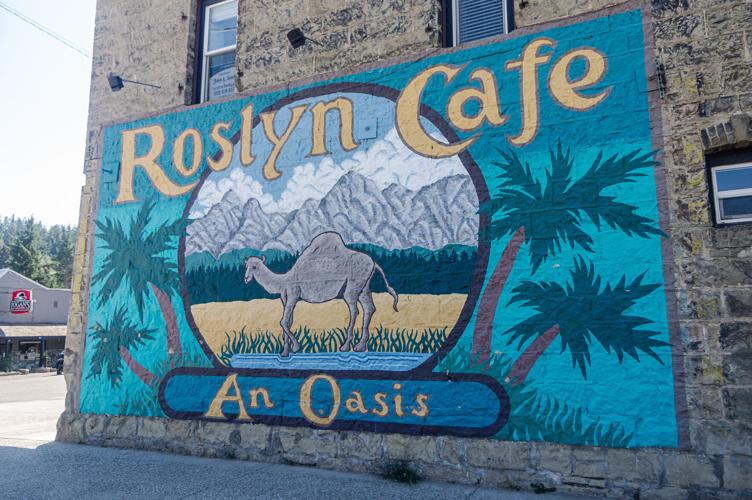
Stevens鈥� studio is still at the old company store, although it has been relocated to a different part of the building. Tourists also go by the Roslyn Caf茅 mural, which was featured prominently in the show鈥檚 opening credits, to pose for selfies.
There鈥檚 a map of the filming locations available on the Roslyn Historical Museum鈥檚 website.
It Happened Here is a weekly history column by 黑料福利社 reporter Donald W. Meyers. Reach him at dmeyers@yakimaherald.com or 509-577-7748. Sources for this week's column include the Roslyn Historical Museum and the archives of the 黑料福利社.




(0) comments
Comments are now closed on this article.
Comments can only be made on article within the first 3 days of publication.