
The best thing that can be said about the U.S.-Israeli attack on Iran is that it’s over.
Well, that it may be over. Trust between the three main actors.is strained to the snapping point, though nobody knows what will happen if it finally shatters.
Even if it lasts, the tenuously negotiated peace still carries a hefty price tag.
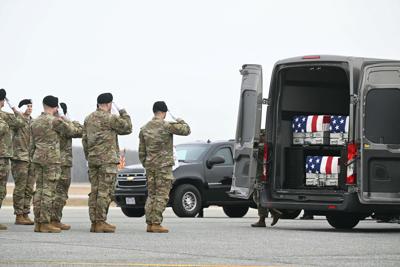
There are the American lives lost needlessly, starting with the six people who died at a Kuwaiti port within 24 hours of the first U.S./Israeli air strikes. Their deaths were a direct product of near-criminal incompetence: They were working in a makeshift operations center at a commercial port Iranians were known to be watching, in a facility that had no plan and no equipment to respond to mass casualties. The building was fortified against ground attacks but from the air, protected only by a metal roof that was likely less than one-fifth the thickness of an Oreo cookie. And the U.S. apparently had no ability to detect drones like the one that dropped through that roof, despite the fact that the Iranians were known to have purchased hundreds.
No wonder Defense Secretary Pete Hegseth was so deceptive when first addressing the attack. He pretended that the explosion was a lucky strike. The reality: The world’s wealthiest military — commanding more than one-third of war spending worldwide — was quickly and repeatedly penetrated by cheap, off-the-shelf Iranian drones. Six Americans died for that.
Then there is the massive global supply-chain disruption that could echo for months. Raw materials like aluminum. Petroleum products. Computer chips. And perhaps most critically, supplies of affordable drugs that keep Americans alive and functioning.
Then there’s an Iran that has been battered and blasted, still in control of the mullahs and malcontents who can be relied upon to use a nation’s grief as an agent of further radicalization and terrorism. At least 3,500 are dead. Along with at least 20 military targets, major chunks of civic infrastructure — including hospitals and schools — have been blasted away.
And finally, a price tag with a finite dollar amount attached. Don’t count on the $300 billion giveaway to rebuild any layer of functional society in Iran. Described as “private investment and economic redevelopment minded,� it sounds more like an all-you-can-gobble buffet of a nation’s resources, directed to the benefit of American and multinational corporations that seek to extract maximum profits. So long as a hefty portion sticks to the fingers of Iran’s still-intact corrupt theocracy, nobody will care that the aid never reaches the people of Iran who have suffered so much.
And though it’s promised to be funded with no contribution from U.S. taxpayers, it’s hard to be confident in that. Certainly, the American people can expect to cough up hundreds of millions in tax breaks for the corporations that flock to the feast. In other words, we’re picking up the tab for their valet parking.
As that proceeds, expect the radical elements deeply embedded in Iran to extract a new generation of radicalized youth from the resentment and misery of the Iranian people. Meanwhile, the deal that’s dependent on Iran’s continued “good behavior,� including scrapping its nuclear program and ending state support for terror, will likely expire the minute after the last dollar is dispersed.
Keep one more thing in mind: All this relies on the reassurance that Americans have been given all the relevant information to help them understand what happened in Iran starting with the Feb. 28 airstrikes, and that everything they have been told is true.
Does anyone want to calculate the odds of that? Under no circumstances can it add up to victory — just the weary cessation of a vanity-driven, poorly executed stunt that will only breed more terror in the future.


