
Researching and presenting 鈥淗ow to Eradicate Puncture Vine鈥� (Tribulus terrestris) was my final assignment before becoming a WSU Yakima Master Gardener in 2024.
I knew this herbaceous pest as goathead, but it has many other names, including devil鈥檚 weed, caltrop, cat鈥檚-head and tack weed, depending on where you live. I also had extensive firsthand experience battling it on my property in the Wenas Valley.
It wasn鈥檛 there when I moved from the West Side in 2004. Neighbors who homesteaded in the early 1900s said it appeared only seven to eight years ago. In a short time, it was growing up and down both sides of our long-shared driveway.
While often found in rural areas, puncture vine is also common in urban settings, parks, fields and backyards.
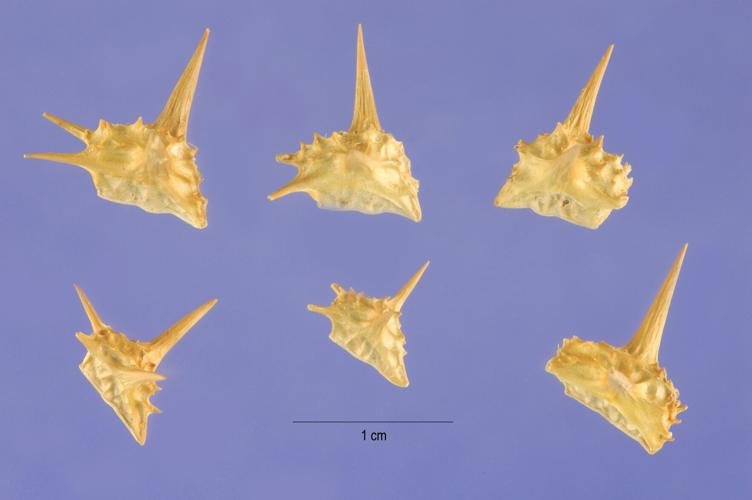
My yard was still beautiful, but it was now lined with nasty, sharp, thorny spikes that hurt like a wasp sting if stepped on. I never dared go barefoot outside, but the thorns still made their way indoors on the bottoms of my shoes. I stepped on several that embedded themselves in my rugs. The tiny slivers are difficult to remove from hands and feet. Puncture vine seeds easily stick to hiking boots, tennis shoes, flip-flops and work gloves. They are sharp enough to puncture bicycle tires, riding mowers and wheelbarrows.
Puncture vine is toxic to livestock, particularly sheep, and is a Class B noxious weed in Washington. Its sharp, woody burrs can injure animals鈥� feet, mouths and digestive tracts, while the plant can cause poisoning and photosensitization. Be sure to keep pets away from infested areas and check their paws frequently.
According to the Yakima County Noxious Weed Board, puncture vine spreads mainly through seeds carried by vehicles, mowers and foot traffic, as well as seeds dropping from the plant. Seeds can remain viable for four to five years, and possibly as long as 50 years.
Puncture vine seeds germinate when temperatures consistently reach 65 to 70 degrees. In Yakima, that typically means late April or early May. Seedlings often appear after watering or rainfall.
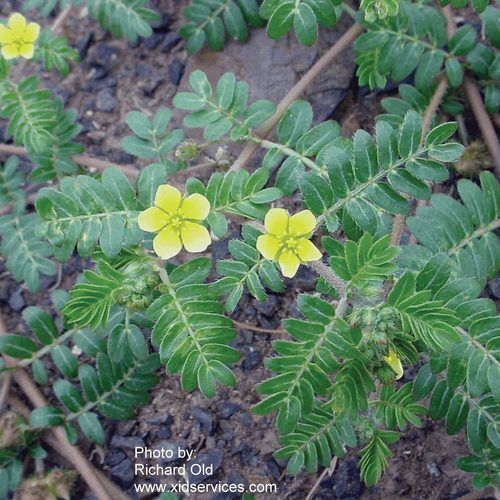
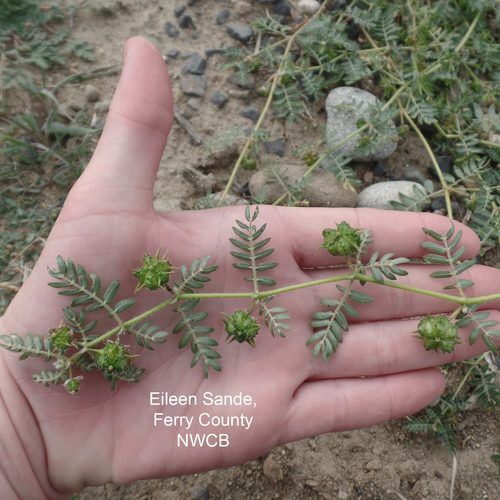
Puncture vine is easy to identify. It grows in a flat mat, with tiny yellow flowers about a quarter inch in diameter. Within about 10 days, those flowers develop into five-sided thorny burrs. One plant can produce up to 100,000 seeds. Left alone, those seeds can germinate for years. Don鈥檛 let them grow 鈥� remove plants while they are small and continue removing them until they are gone.
The best way to eradicate puncture vine is to remove plants before flowers turn into burrs. Plants can be pulled by hand or removed with a hoe or light tilling. Cut the center stem about an inch below the base to break the taproot. Because puncture vine is an annual, this will kill the plant. Always remove plants before they set seed, and place them in the trash 鈥� never in compost or yard waste.
If you choose to use herbicides, a pre-emergent can be applied early in the season. Glyphosate is effective as a post-emergent treatment, especially on young plants before they flower. It is best used as a spot treatment in non-turf areas such as driveways. Always read and follow label directions, wear protective gear and avoid spraying near ponds, irrigation channels, rivers, lakes or wetlands.
The Yakima County Noxious Weed Board (509-574-2180) is an excellent resource for more information.
My own eradication efforts began the year before I took the Master Gardener class, when I faced a heavy infestation along my driveway. I took drastic measures, bringing in several truckloads of topsoil to create a 3-foot-high, 60-foot-long berm. I covered it with two layers of thick black plastic and topped it with 4 to 5 inches of chipped rock. I thought I had buried the puncture vine for good.
That area has done well, but a few plants spread to other parts of my property. Seeds stick to mower wheels, wheelbarrows and shoes, then fall off elsewhere. Last year, I removed hundreds of small plants on the opposite side of my driveway, a few in my lawn and dozens in a neighbor鈥檚 pasture. With consistent monitoring, I made significant progress.
This year, I am seeing fewer weeds along my driveway and no puncture vine so far. My advice: Get out early in the season and check problem areas several times a week, especially as temperatures rise. Pull small plants before they go to seed, and remove any plants with burrs. After removal, apply a thick layer of mulch to help suppress new growth.
If we all do our part, we can slow the spread of puncture vine. It鈥檚 a big task, but it can be done 鈥� as I鈥檝e seen on my property in the Wenas Valley and on others cared for by Master Gardeners.



(0) comments
Comments are now closed on this article.
Comments can only be made on article within the first 3 days of publication.