



If you are a boarding school survivor or a descendant, resources are available from the National Native American Boarding School Healing Coalition at .
A committee of聽tribal elders, Indian boarding school survivors and legal experts plan at least six listening sessions across the state as they continue to work with state officials to聽research and document Indian boarding schools in Washington.聽
The five-member聽聽began meeting in September 2023. Earlier that year,聽the state Legislature directed the state Attorney General's Office to create the committee to research and document the operations and impacts of Indian boarding schools in Washington.聽
Committee members are citizens of federally recognized tribes in diverse geographic areas across the state and include聽Shx鈥檓y鈥檃h Edward 鈥淎rlen鈥� Washines of the Yakama Nation. They have been meeting and working with staff of the attorney general's office, which released on the history of Indian boarding schools in Washington聽on July 1.
The preliminary report details their collective efforts to date. Attorney General Nick Brown said his office is committed to continuing the partnership and providing what's needed to continue the work.
Washington is home to 29 federally recognized tribes, and at least 28 boarding school facilities operated in the state from 1850 to 1930, the report says. Other facilities such as asylums and hospitals were also used to separate Indigenous children from their families, it says.
Yakima County had two Indian boarding schools.
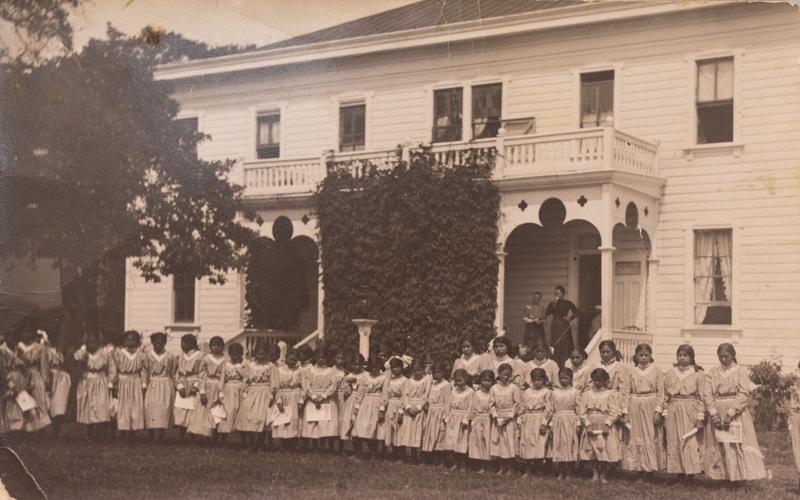
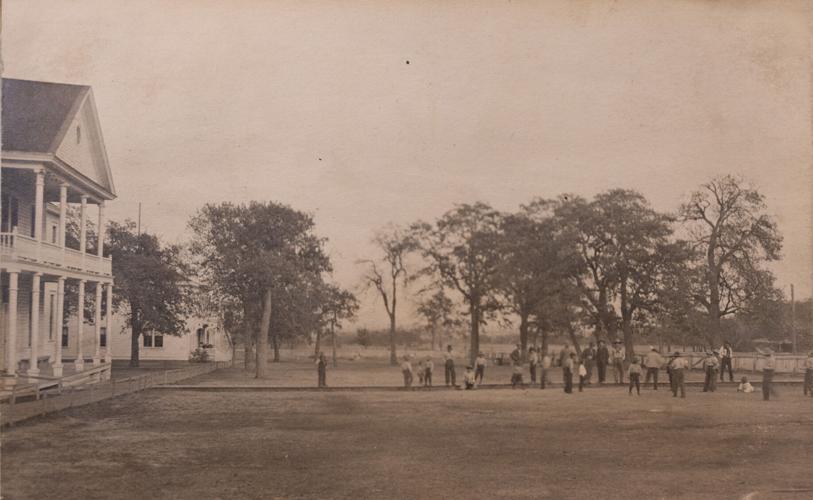
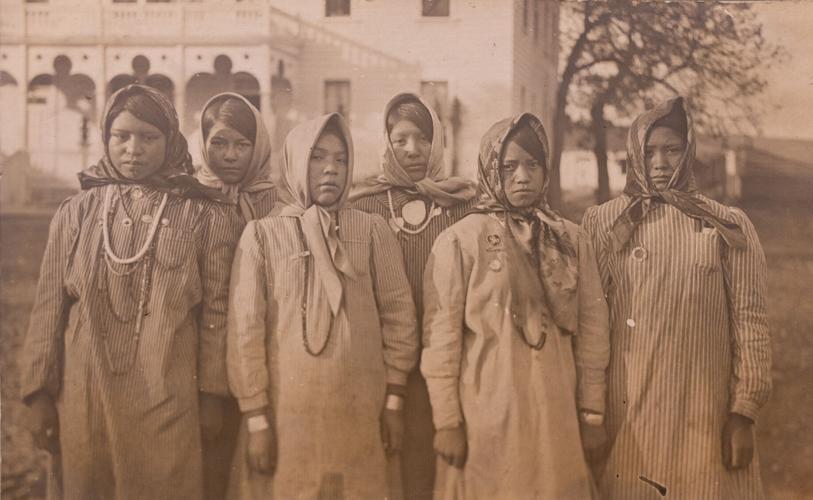
A government-run boarding school for Indigenous children that operated at Fort Simcoe聽from November 1860 to 1920. Two large dormitories, which had been deteriorating for years, were demolished in the 1950s. The school building burned in December 1919.
The Sisters of Providence ran a boarding school for Indigenous children in what was then North Yakima from 1889-96. Officially known as St. Francis Xavier Indian Boarding School, it primarily included students from the Yakima and Kittitas valleys. The boarding school building for Indigenous children faced Naches Avenue between C and D streets.
Work so far
The boarding schools at North Yakima and Fort Simcoe were among more than 400 boarding schools for Indigenous children that the U.S. operated or supported between 1819 and 1969. An investigative report released in July 2024 by the Department of the Interior initially identified at least 973 student deaths at the schools nationwide 鈥� a number expected to increase 鈥� and marked and unmarked graves at 65 of the schools.
In Washington, advisory committee members were directed by the Legislature "to determine the amount and type of support the state provided to these schools, and to develop recommendations to address the continuing harms of this public policy," they said in the report.
"This is a step towards healing and accountability from the traumatic and harmful legacy of Indian boarding schools."
As the preliminary report notes, Indian boarding schools 鈥渨ere a centerpiece of U.S. assimilationist policy from the mid-19th century through the 1970s.鈥�
Though individual experiences at the boarding schools varied, students weren鈥檛 allowed to speak their language or wear traditional clothing. The boys wore military-style uniforms and their long hair was shorn. The girls wore dark stockings and dresses of plain or subtly striped fabric. Christianity subverted Indigenous religious practices, and school administrators replaced some students鈥� given Indian names with English names.
Key goals
Committee members and state officials hope to identify the number of Indian children sent to Indian boarding schools in Washington and how children were transported to them. They also hope to learn the number of children who never returned home and the location of cemeteries attached to or near Indian boarding facilities, the report said.
Such research has been challenging. "Many records are scattered, incomplete or inaccessible, presenting a barrier to a full accounting of this history," the report said.
Access to information from the early Indian boarding school period "is limited due to records not being digitized or available for online viewing, and will require extensive in-person travel, both within Washington and to other states" to see and gather that information, according to the report.
Other goals including researching and reporting findings on the state鈥檚 support to Indian boarding schools, "along with current state policies and practices that originate from Indian boarding schools or other assimilationist policies and that cause disproportionate harm to American Indian and Alaska Native people."
Committee members and state officials also hope to develop聽recommendations regarding how the state can address the harm done by Indian boarding schools and other efforts to terminate language and culture, the report said.







(0) comments
Comments are now closed on this article.
Comments can only be made on article within the first 3 days of publication.