
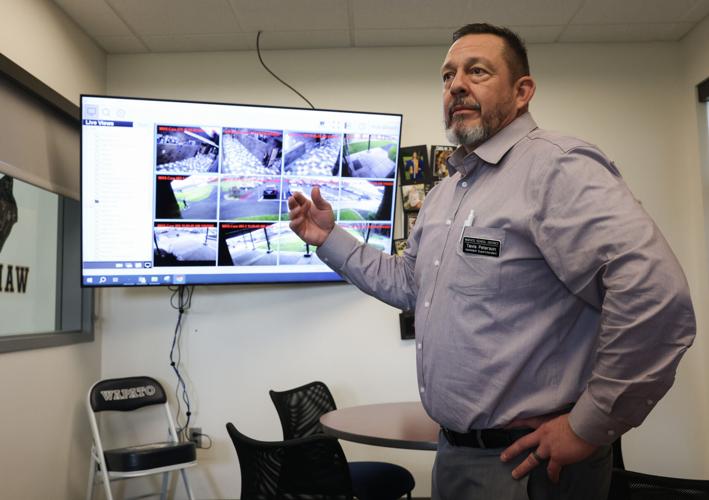


Last June, an intruder broke into Wapato High School. But with the help of the school's live-feed cameras, the maintenance director was able to track the break-in and communicate the person's location to law enforcement in real time.聽
"We've had a couple of meetings with law enforcement this year," Assistant Superintendent Tavis Peterson said. "And one of the things they said is those cameras have become so important."
Wapato has about 500 security cameras along with other systems聽across the district to keep students safe, but that's only part of its strategy.聽
A state law approved last year requires that K-12 schools have reliable and immediate communication systems during emergencies. Called聽, it was championed by state Sen. Nikki Torres, a Republican from Pasco who represents part of the 黑料福利社.
It was named after Alyssa Alhadeff, a 14-year-old student who died in 2018 during the shooting at Marjory Stoneman Douglas High School in Parkland, Florida. Alhadeff's mother, Lori, attended the bill signing last May in her honor.
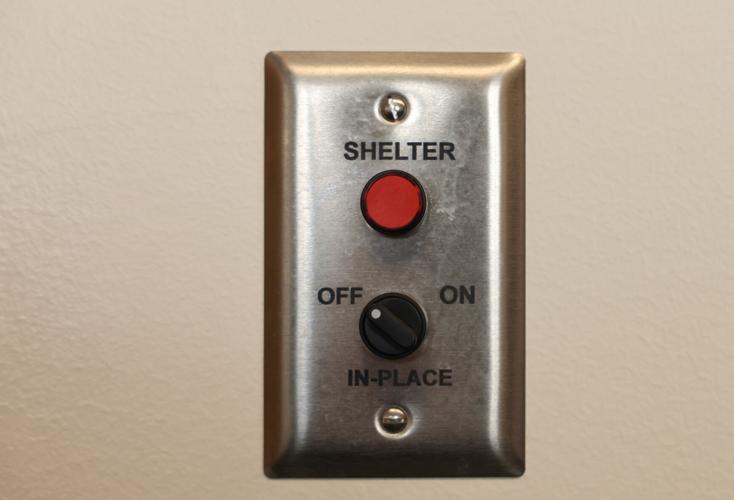
Districts must have at least one of the following safety systems used for emergency response: a panic or alert button, a live video or audio feed, remote-controlled door access, a live two-way communication system or an emergency system compliant with state building codes for schools.聽
Alyssa's Law aims to reduce emergency response times and improve coordination with school personnel.
View this post on Instagram
"I want families to know that Alyssa鈥檚 Law is a meaningful step forward,"聽Torres wrote in response to questions from the 黑料福利社. "It put panic buttons and rapid communication at the center of the school safety conversation, and it encouraged districts to strengthen their emergency response planning."
Progress report聽
Districts were required to report their emergency response system information at the site or building level to the Washington Office of Superintendent of Public Instruction聽by Oct. 1. They needed to share what type of safety infrastructure they have, accessibility, system status and the system installation date.
OSPI provided a聽 summarizing the responses to lawmakers on Dec. 18.
Out of the 291 local education agencies聽鈥� public, charter and tribal schools 鈥� that reported to OSPI, 92% were in compliance with Alyssa's Law, according to the聽聽given to state lawmakers.
About 76% had emergency-response accessible safety systems.
Of 18,235 total systems, visual feeds, two-way communications, access control infrastructure and lockdown systems were the most common. Fewer schools reported having fencing, panic buttons and audio feeds.
The Herald-Republic requested the information submitted by 黑料福利社 schools to OSPI under the law's requirements. The newspaper received a response that was almost fully redacted, with OSPI citing a records exemption for security system information.聽
Talking to districts
Before sponsoring Alyssa's law,聽Torres said she had numerous conversations with school districts about safety needs.
"Districts want to do the right thing, but they are balancing a lot,"聽Torres wrote. "Especially small and rural districts with limited staff and tight budgets."
In addition to Alyssa's Law, lawmakers approved a grant program to help districts pay for improvements.聽
"I am glad we finally have something in writing that shows more districts and identifies different types of systems being installed," Torres said. "At the same time, it leaves too many important questions unanswered."
The report is lacking details lawmakers and families need, she wrote.
The progress report focuses primarily on overall counts. However, Torres wrote that she was interested more in how districts were doing, what safety systems they chose, how those systems are being used and whether they are working as intended.
"If we are going to make good policy decisions, we need more than a general statement," Torres wrote. "We need real clarity on what is happening on the ground."
Something that stood out to her was the data on fencing, which was lower than she expected. Various districts reported to her office saying they made fencing installments or access control improvements, so Torres anticipated the numbers would be higher in the report.聽
"That gap tells me we may be missing information," she wrote. "It reinforces why more detail is needed."
Emergency response systems聽
While the publicly available state reports were lacking local-level detail, 黑料福利社 districts were willing to share changes they've made to improve security. Several area districts have asked voters to support security and safety upgrades in recent levy and bond requests.聽
The Yakima School District adopted the聽Centegix Crisis Alert system in 2022, which features wearable panic buttons. The district also has聽visual feeds, emergency response access, notification systems, two-way communications and access control infrastructure.
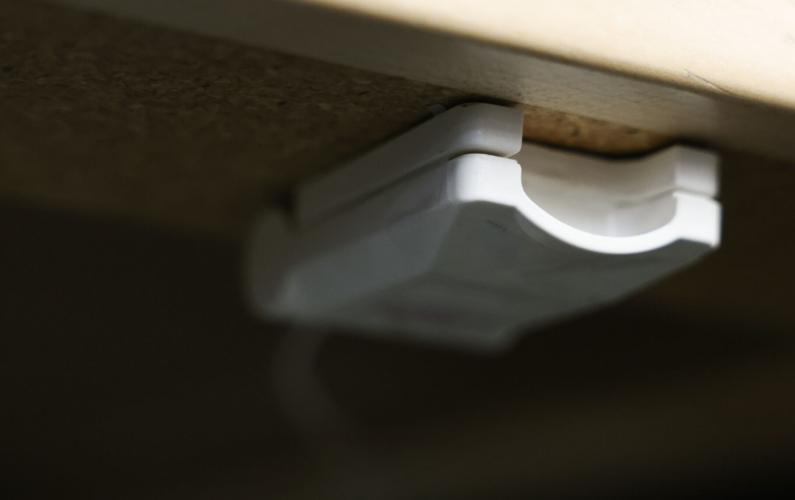
Peterson said Wapato is in a good spot. In addition to the cameras, schools have lockdown buttons, panic buttons and remote-controlled door access. He said the district is continuing to work to enhance emergency response systems.
"Our core mission is to increase student achievement, but our No. 1 objective is keeping people safe," he聽said.
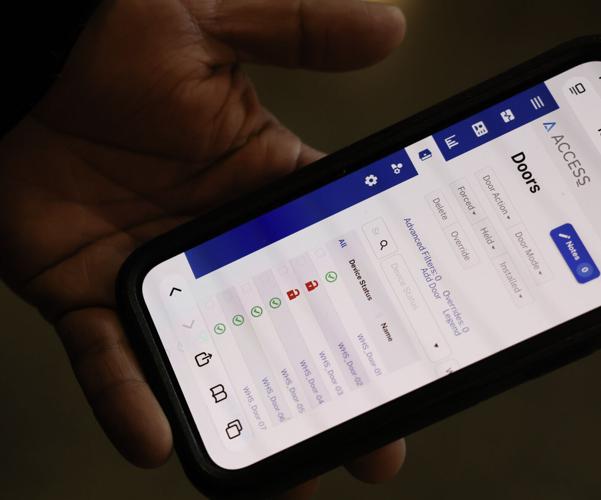
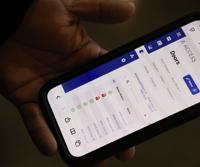
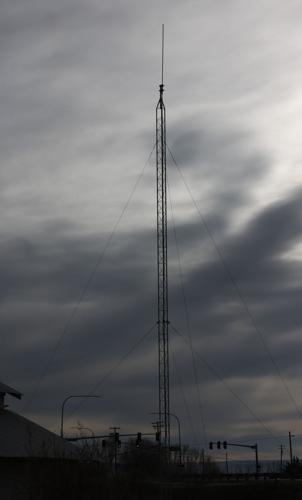
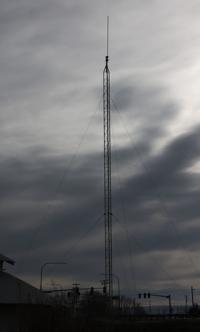
The front doors at Wapato High School can be locked or unlocked through an authorized phone. A new radio tower improved communication聽at the high school by getting rid of dead zones in the area.聽
Staff members are empowered to call 911 themselves or issue lockdowns.聽Wapato police and the district's school resource officer have access to the cameras.聽
The district has a contract with the Yakima County Sheriff's Office that includes one school resource officer, in addition to five school security officers provided by a third party.
Collaborations also include the Handle With Care聽program, in which school districts and law enforcement communicate with each other when an officer responds to a situation at a student's home.聽
The district has working relationships with the sheriff's office, Wapato police, Washington State Patrol, Yakama Tribal Police Department and the Federal Bureau of Investigation, if necessary.
"We have to be really mindful of who the right agency is to loop in and to work with," Peterson said.
What's next
Although Wapato meets the minimum standard outlined in Alyssa's Law, Peterson said the district wants to enhance systems and modernize buildings to keep pace with evolving technology.聽
Wapato received $286,000 from the grant program that was passed in tandem with Alyssa's Law.聽
The district plans to add and replace cameras, install a new server for the cameras, add more handheld radios and more. Cameras will be added to all school entrances and used to monitor driveways.
The district is looking to replace Camus and Satus elementary schools, and the new PACE High School will open next fall. These changes will provide the buildings with the security infrastructure needed to support certain technologies, such as remote locking.
Although Alyssa's Law is a meaningful step forward, it's not a single solution that will fix everything, Torres wrote. There are various factors that go into ensuring school safety, including training, coordination and the right tools.聽
"My focus is on making sure the follow-through is real so that when an emergency happens, schools can act quickly and get help immediately," she wrote.
Since the report arrived later than its deadline, and the state dealing with a budget deficit, Torres said there won't be any immediate next steps this legislative session.聽
But Torres said her office does plan on having more conversations with school districts about what's working, what isn't and what support they need.







(0) comments
Comments are now closed on this article.
Comments can only be made on article within the first 3 days of publication.