


Hantavirus has received significant media attention in recent weeks because of a reported outbreak involving a cruise ship and a specific type of hantavirus known as Andes virus.
Understandably, this news may raise questions or concerns.
I want to share what is currently known, explain what this means for our local community, and remind residents to reduce their risk.
At this time, the risk to the general public remains very low. Four individuals in King County may have had potential exposure, but there are no confirmed cases in the general U.S. population connected to this outbreak.
Current situation
On May 2, the World Health Organization (WHO) was notified of several cases of serious respiratory illness among passengers and crew on a cruise ship in the Atlantic Ocean. Health officials identified the cause as Andes virus, a type of hantavirus that can cause Hantavirus Pulmonary Syndrome (HPS).
HPS is rare, but it can be severe and, in some cases, fatal. As of May 15, there have been 11 cases reported, including eight confirmed cases, one inconclusive case and two probable cases. Three deaths were connected to the outbreak, including two confirmed and one probable. All confirmed cases have been identified as Andes virus.
News reports also indicate that 18 American passengers were repatriated and are being monitored at specialized medical facilities.
No Andes virus cases have been confirmed in the general U.S. population as a result of this outbreak, and the CDC and WHO have assessed the risk to the American public as very low.
Andes virus is found primarily in South America. Like other hantaviruses, it is usually spread through contact with infected rodents or their urine, saliva or droppings.
In rare circumstances, Andes virus can also spread from person to person, typically through close and prolonged contact with someone who is ill.
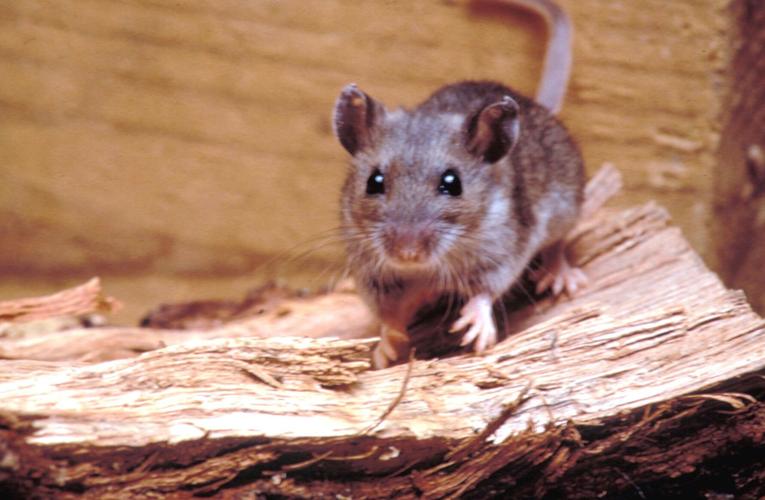
This is different from the hantavirus most commonly seen in Washington state, which is Sin Nombre virus. Sin Nombre virus is carried by infected deer mice and is not known to spread from person to person.
Here in Washington, hantavirus infections are rare. Fewer than five people are typically diagnosed with hantavirus infection in the state each year. The best way to reduce risk is to avoid contact with rodents and areas with signs of rodent activity.
If cleanup is needed, do not sweep or vacuum rodent droppings, urine or nesting materials, as this can stir particles into the air. Instead, ventilate the area, wear gloves, spray contaminated materials with disinfectant or a bleach solution, let them soak, and then wipe them up safely.
If you develop symptoms after possible rodent exposure, contact your health care provider and tell them about the exposure.
As always, at the Yakima Health District, we strive to deliver timely information to help the residents of Yakima County better understand and address their public health needs. We will continue to monitor the situation and keep you informed as information and data develops.


