
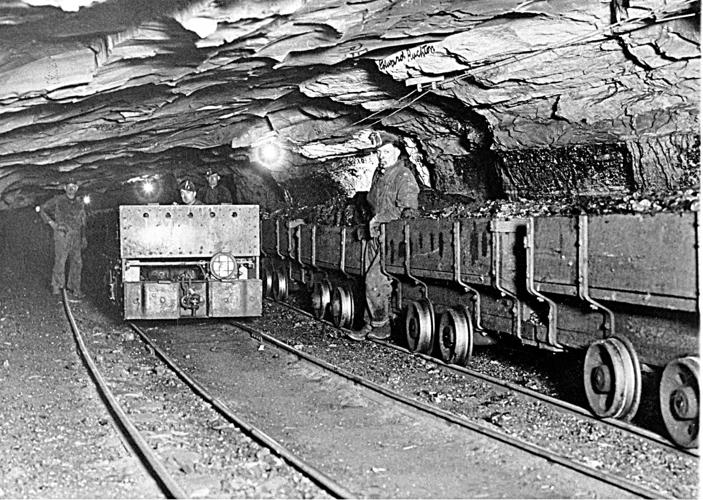

Coal mining is probably one of the most dangerous sectors of the extraction industry.
Data from the National Centers for Disease Control and Prevention list 623 coal-mine disasters in which at least five people died in the United States from 1839 to 2010, while there were only 103 non-coal mining disasters since 1869.
While the May 10, 1892, explosion in the Roslyn No. 1 Mine does not even crack the top 50 U.S. coal mine disasters, it was the worst in Washington history, with 45 miners killed.
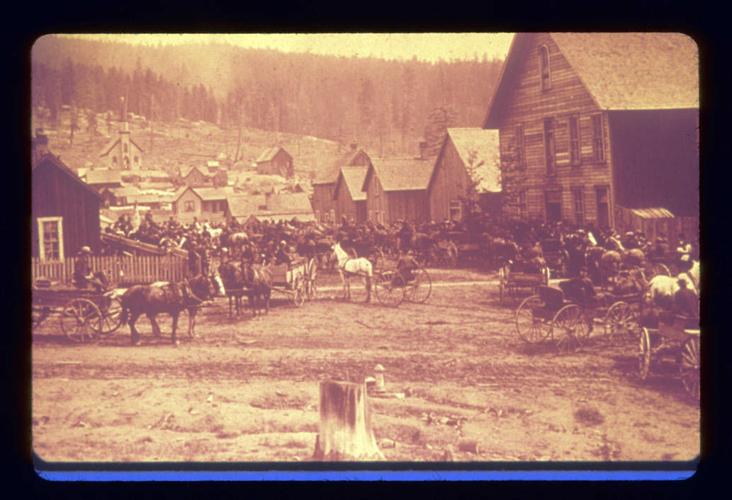
Roslyn was formed when coal was discovered near Cle Elum in May 1886 by surveyors for the Northern Pacific Railway, who saw it as a readily accessible fuel source for its rail operations. By December, there were 1,200 people living in Roslyn, and the first load from the Roslyn No. 1 mine was being shipped out on a rail line the Northern Pacific built into the town.
While coal mines were prone to the same collapses and flooding that hard-rock and non-metal mining were, there was also the danger of explosions as the flammable material was dug out of veins.
The most common causes of coal mine explosions were from coal dust and methane gas, which could also suffocate miners. The phrase 鈥渃anary in the coal mine鈥� comes from the practice of miners using the songbirds as primitive gas detectors.
If the bird died in the mine, it was a signal for the miners to get out before gas levels rose high enough to kill them.
To air out the mines, furnaces were used to create drafts that would bring in fresh air while expelling methane. At the Roslyn No. 1 mine, 11 furnaces were going round the clock.
But there was a problem. The main air shaft only went to the fourth of the seven levels in the 2,700-foot-deep mine. A passage in the slope below the fourth level offered some ventilation, and miners were in the process of connecting an airshaft from the fifth level to the lower levels of the mine on May 10, 1892.
At 1:30 p.m., witnesses reported hearing a 鈥渓oud, ear-splitting boom鈥� come from the mine. Two boys who were coming out the entrance of the mine at the time were thrown by the force of the explosion, but they survived.
Townspeople quickly rushed to the mine to find out what happened, and if their fathers, husbands, brothers and sons were all right.
Northern Pacific Coal Co. officials launched a recovery operation, but there were many miners who refused to go back down into the mine because of the danger posed by the gas. That first day, 14 bodies were recovered, with five more found the next day. Over the next two days, the final 26 bodies were removed from the mine.
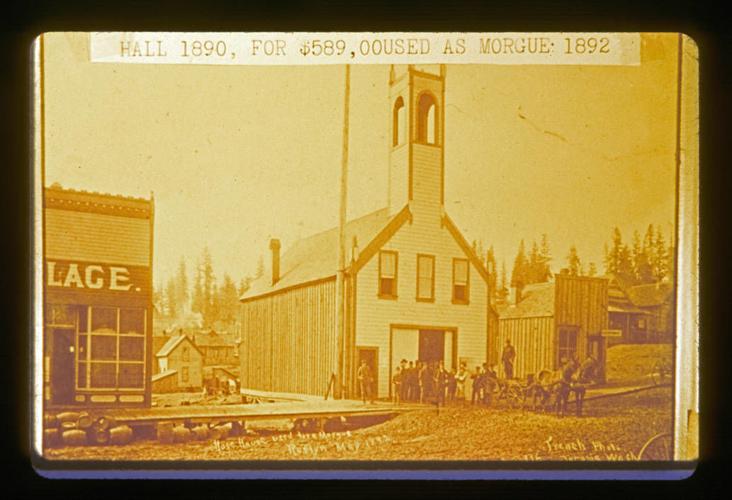
The bodies were taken to City Hall, which served as a makeshift morgue, while the mining company arranged for coffins and shrouds for the dead, while allowing the men鈥檚 families to get supplies and clothing for free at the company store.
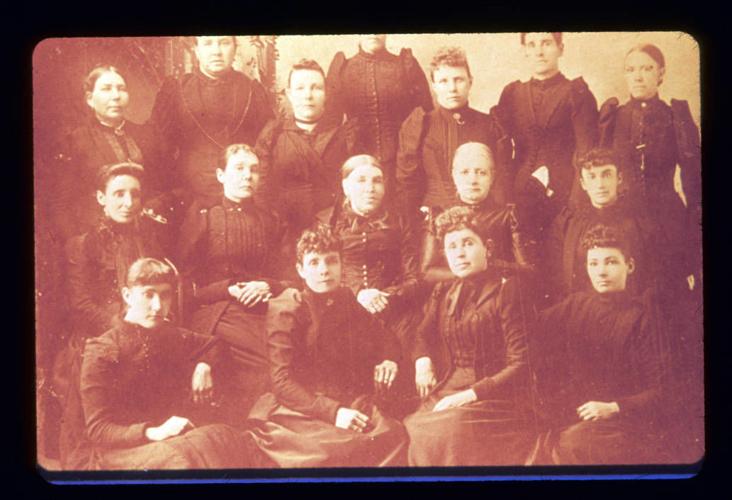
In all, 29 women were made widows and 91 children lost fathers in the disaster.
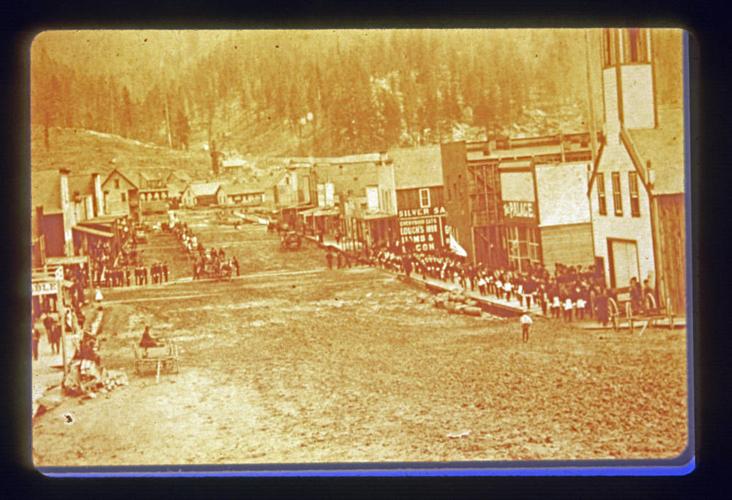
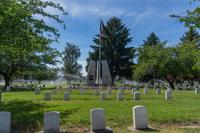
Funerals would go on for three days, with crowds lining the city鈥檚 main street for the processions.
Two committees, one consisting of mine officials and the other of miners and a state mine inspector, could only agree that the explosion was the result of gas igniting in the mine. The company investigators said it was the result of blasting powder used to break the rock while the airway was being dug.
The mine inspector, however, believed that a miner鈥檚 open-flame head lamp ignited gas released from the cracked rock, which in turn triggered a coal-dust explosion.
A coroner鈥檚 jury determined that some of the miners were killed outright by the explosion, while others suffocated quickly in the aftermath.
To settle claims, the mining company paid $2,000 鈥� $56,430 in today鈥檚 money 鈥� for a husband who was killed. However, families were given only $500 鈥� the equivalent of $14,108 鈥� for a working-age son.
The explosion would not be the last, as a 1909 explosion in another mine in Roslyn killed 10 miners.
The last mine closed in 1962.








(0) comments
Comments are now closed on this article.
Comments can only be made on article within the first 3 days of publication.