

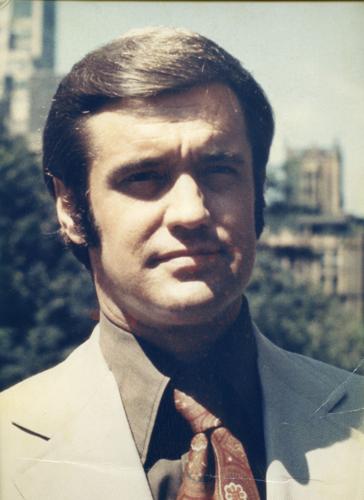
While he was far better known in jazz circles as a writer than a musician, Doug Ramsey loved playing trumpet and cornet with local musicians in his adopted hometown of Yakima.
鈥淚鈥檝e never stopped playing, despite many requests,鈥� he once said with his characteristic self-deprecating wit.
On May 19, 2026, Doug died in Yakima at age 91, and the jazz journalism community is mourning his loss.
鈥淒oug鈥檚 writings about jazz are so artfully done that opening an LP or CD鈥� and finding that the liner notes were written by him is like 鈥渇inding a real diamond at the bottom of a box of Crackerjacks,鈥� Steven Cerra wrote.
A chance encounter in Yakima
I first became aware of Doug and got to know him after I moved to Yakima in 2007 with my wife to take a newspaper editor job there. We were surprised and delighted to find there was a first-rate jazz concert series at a former church with excellent acoustics that had become the Seasons Performance Hall.
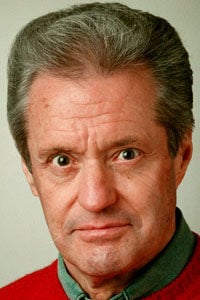
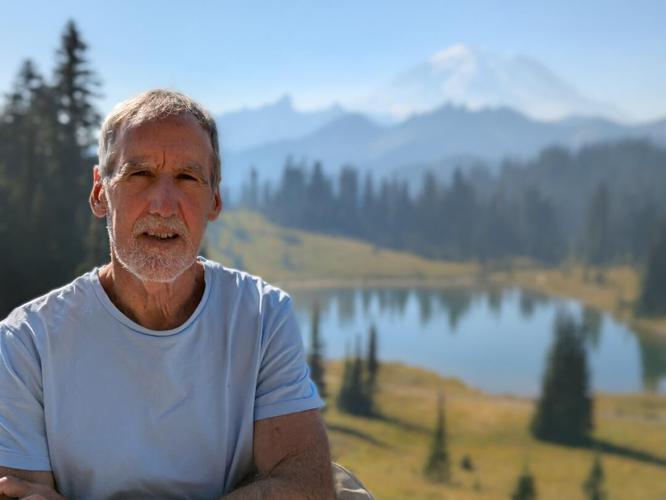
Doug Ramsey, author of "Jazz Matters: Reflections on the Music and Some of Its Makers."
In January 2009, we attended the Blue Note 50th Anniversary Tour show at The Seasons, featuring Bill Charlap, Nicholas Payton, Ravi Coltrane and other stellar players.
Between sets, a tall, handsome older man who looked and sounded like a TV news anchorman interviewed the musicians. They all seemed to know him and like him, and he drew out interesting and informative answers through his knowledgeable questions and careful listening. My wife and I asked each other, 鈥淲ho is this guy?鈥�
We soon discovered that we were privileged to have a nationally acclaimed jazz writer living in our small town, someone who had written a highly praised biography of saxophonist Paul Desmond, liner notes to hundreds of jazz recordings, and many articles about jazz for major newspapers and music magazines.
Before the Desmond book, he had published a compilation of essays, "Jazz Matters: Reflections on the Music and Some of Its Makers." In 2008, Doug received the Jazz Journalists Association Lifetime Achievement Award.
We also learned that Doug actually was a veteran TV news anchorman, correspondent and news executive, just as he appeared, having worked in major markets including New York, Washington, D.C., San Francisco, New Orleans, Portland, Ore., and Cleveland. After his retirement, Doug and his wife Charlene moved back to her hometown of Yakima in 1997.
Indeed, it was Doug鈥檚 natural anchorman鈥檚 voice that got him his first broadcasting assignment, managing an Armed Forces Radio station in Japan and producing a show called the Far East Network Jazz Concert while serving as a U.S. Marine officer in the late 1950s.
While stationed in Japan, he played cornet at an off-base club in Iwakuni 鈥� illegally, he later said. Fortunately for him, the air wing鈥檚 commanding general also loved jazz and played the cornet. They struck up a friendship.
鈥淲e were on a first-name basis,鈥� Doug said in an interview. 鈥淗e called me Doug and I called him General.鈥� One night, the general showed up at the club and sat in on a tune, 鈥渁 bit shakily but with the right changes.鈥�
From Wenatchee to the jazz world
Doug had fallen in love with jazz as a young teen, hanging out at the local record store in his hometown, Wenatchee. He started playing cornet in the junior high school band. He went on to study journalism at the University of Washington and wrote about jazz for the school鈥檚 daily newspaper.

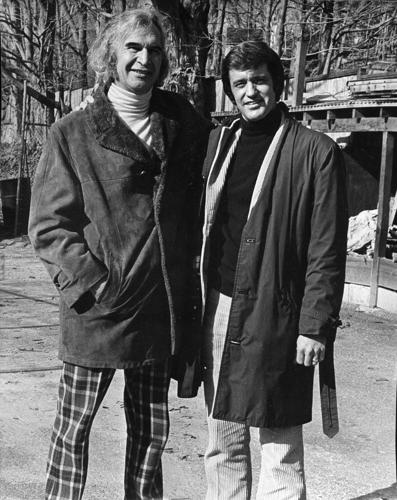
Doug Ramsey, right, poses with legendary jazz pianist Dave Brubeck during their longtime friendship. Ramsey, an acclaimed jazz writer and biographer of saxophonist Paul Desmond, maintained close ties to Brubeck and other leading figures in jazz throughout his career.
While covering a Dave Brubeck Quartet concert on campus in 1955, he met the group鈥檚 celebrated saxophonist, Paul Desmond, during intermission and picked up the conversation later that night at a party for the band. They eventually became close friends. Doug was one of the last people Desmond spoke to on the phone before his death in 1977 at age 52.
Knowing about Doug鈥檚 long friendship with Desmond, the owner of Parkside Publications, Malcolm Harris, himself a jazz musician and jazz author, asked him to write a biography of Desmond, Doug recalled in a 2013 interview. He interviewed scores of people who knew the intellectual, famously witty, but very private musician. They included Brubeck and other leading musicians, as well as some of the many women, such as Gloria Steinem, who were intimately involved with him.
Asked whether he was tempted to avoid material that could have cast his beloved friend in an unflattering light, Doug responded, 鈥淚 am conditioned by a long life in journalism, and I put that into play 鈥� While I hope that our friendship and my admiration of him comes through in the writing, I believe I did a balanced job in presenting the whole man.鈥�
The result was "Take Five: The Public and Private Lives of Paul Desmond," published in 2005.
Critic Gary Giddins called it 鈥渁n appreciation by a gifted critic for a great artist 鈥� The telling is lyrical, funny, nostalgic, provocative, and allusive 鈥� just like a Paul Desmond solo.鈥� It received best book of the year honors from the Jazz Journalists Association in 2006.
There鈥檚 one story I love about Doug鈥檚 research for the book that showed his close listening to and encyclopedic knowledge of the music.
While interviewing Brubeck, Doug mentioned to him that the bridge on Desmond鈥檚 monster hit tune "Take Five" is a chromatic reduction of the opening phrase of the 1943 Bing Crosby hit "Sunday, Monday or Always" that Desmond frequently quoted on solos. 鈥淏rubeck sort of sat up and said, 鈥楳y God, it is! You鈥檙e right!鈥� He had never thought of that,鈥� Doug recalled.
Journalist, critic and mentor
Working as a TV newsman for 24 years, Doug visited jazz clubs across the county and got to know many musical greats, treasuring his conversations with them.
In 1962, while working in Cleveland, he went to hear Dizzy Gillespie, who was in town guest hosting "The Mike Douglas Show" and playing a club gig with a quintet that included James Moody and Kenny Barron.
After they chatted at the club, Dizzy invited Doug to his hotel room to continue the conversation. 鈥淲e shared a bottle of red wine, had a serious discussion about music, acted silly and developed a warm acquaintance that lasted until he died,鈥� Doug recalled.
While working in New Orleans, Doug said he helped plan the first New Orleans Jazz and Heritage Festival in 1970, during which he hung out 鈥渘onstop鈥� with Desmond, touring jazz clubs with him for four days. He called it 鈥渢he finest jazz festival ever.鈥�
While always courteous, Doug was also a straight-talking critic. He lamented that the jazz festivals in New Orleans and other cities 鈥渉ave morphed into huge parties. You wonder how much they have to do with music.鈥�

Doug Ramsey, left, is pictured during his career as a television journalist. Ramsey covered national politics, including the Nixon administration and Watergate, before turning his focus to jazz writing and criticism.
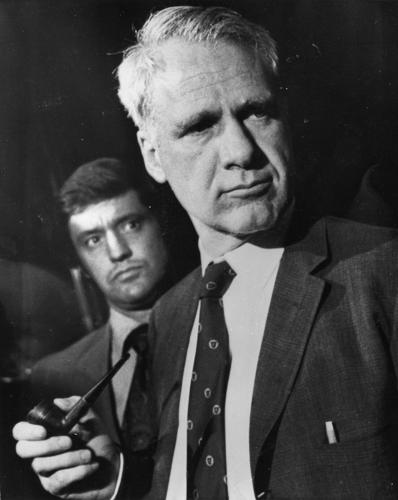
As chief correspondent for UPI Television News in Washington, D.C., in the late 1960s and '70s, he covered the Nixon administration, including the Watergate scandal. His first White House event was a party and star-studded jazz concert in 1969 honoring Duke Ellington on his 70th birthday. Doug called it 鈥渢he only domestic affairs high point of the Nixon administration.鈥�
After his time in TV news, Doug became a journalism educator, taking a job as senior vice president at the Foundation for American Communication in San Diego, focusing on improving the skills, content knowledge and ethical practices of journalists. He also lectured and conducted programs for journalists in eastern Europe through the U.S. Information Agency鈥檚 speaker program.
Throughout his busy journalism career, Doug continued to write jazz articles for major publications as well as hundreds of liner notes and later started a jazz blog called Rifftides.
One of his favorite writing outlets was the arts and leisure page of the Wall Street Journal, which was run by a talented but quirky editor. Doug suggested that I pitch a story idea (about trap shooting, not music) to this editor, and to my surprise he accepted it.
After that, Doug and I commiserated about why the editor wouldn鈥檛 take our subsequent pitches, and we swapped ideas about how to hook him.
On his blog Rifftides, Doug maintained his usual high standards in reviewing new recordings. But he strove to be positive, said Jeff Chang, a jazz saxophonist and educator who lived in Yakima for several years and jammed with Doug鈥檚 group.
鈥淗e told me, 鈥業f I don鈥檛 have anything nice to say, I won鈥檛 write about it. I won鈥檛 waste my time.鈥� I thought that was really cool, unlike some of the stereotypical critics,鈥� Chang said.
Another thing Doug avoided in his jazz writing was making lists or proclaiming favorites. 鈥淲hy must we have favorites?鈥� he lamented during an interview. 鈥淲hy not evaluate every book, film, composition, solo, or painting on its merits, without ranking it?鈥� He added that he distrusted critics鈥� polls because he had received too many emails from musicians and publicists pleading for his vote.
A life guided by jazz
Asked why jazz continued to play a role in his life, Doug expressed his personal credo: 鈥淏ecause it goes to the core of what I value: individuality, freedom of expression, human interaction, beauty.鈥�
Desmond died on Memorial Day 1977, and Doug would sometimes attend the Brubeck family鈥檚 Memorial Day gatherings in the years after that at their big Connecticut house. Dave Brubeck and other family members, Doug said, would talk a lot about Desmond, with laughing but tear-filled reminiscences about his witticisms and wordplay.
鈥淚 think about Paul all the time. He鈥檚 a presence,鈥� Brubeck told Doug. 鈥淏oy, I sure miss Paul Desmond.鈥� Adding a personal coda to that story, Doug said, 鈥淚 couldn鈥檛 say it better. Boy, I sure miss Paul Desmond.鈥�
I feel the same way about Doug Ramsey. My deep condolences to his wife Charlene and their son Paul.



(0) comments
Welcome to the discussion.
Posting comments is now limited to subscribers only. or log in using the link below. For additional information on commenting click here.
Log in
Keep it Clean. Please avoid obscene, vulgar, lewd, racist or sexually-oriented language.
PLEASE TURN OFF YOUR CAPS LOCK.
Don't Threaten. Threats of harming another person will not be tolerated.
Be Truthful. Don't knowingly lie about anyone or anything.
Be Nice. No racism, sexism or any sort of -ism that is degrading to another person.
Be Proactive. Use the 'Report' link on each comment to let us know of abusive posts.
Share with Us. We'd love to hear eyewitness accounts, the history behind an article.