
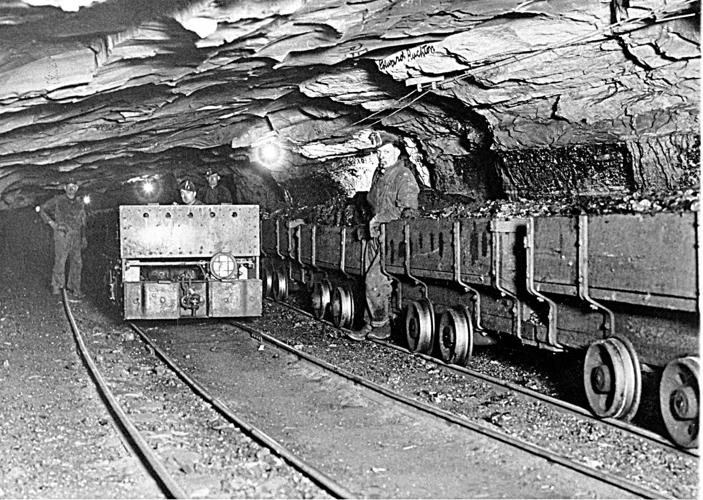


More than 130 years ago this week, Roslyn鈥檚 coal miners, like others throughout the nation, went on strike for better working conditions.
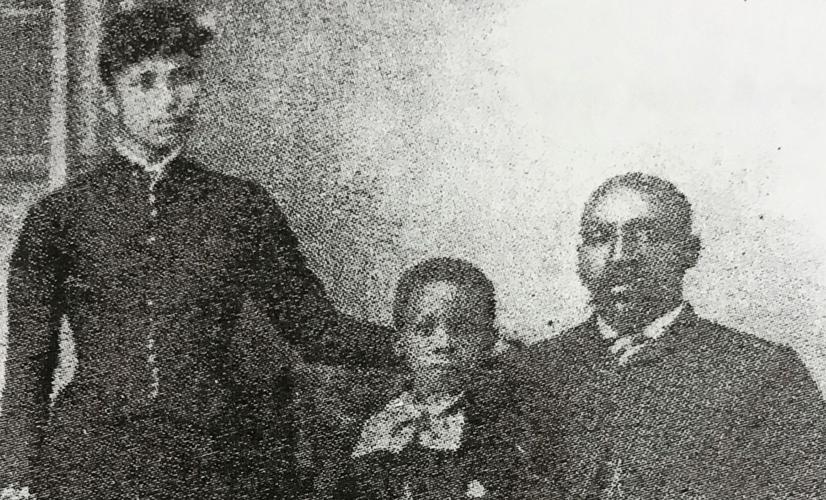
While their demands weren鈥檛 met, the strike did lead to Roslyn becoming a more diverse community, as the mine owners brought in Black strikebreakers to keep the mines running.
Roslyn was settled in 1886, after surveyors for the Northern Pacific Railway discovered coal near Cle Elum. For the railroad, this meant an accessible fuel supply for its locomotives, and one that would be under the railroad鈥檚 control.
The Northern Pacific Coal Co., the railroad鈥檚 coal subsidiary, made its first shipment in December of that year, when the 鈥渃amp鈥檚鈥� population reached 1,200 people.
Roslyn, like many mining communities, was a company town, with the company operating the store and providing the doctors and other services.
The main issue for Roslyn鈥檚 miners was the length of the workday. They spent 10 to 11 hours a day underground in dangerous conditions.
An explosion in 1892 killed 45 miners, making it the worst mining disaster in Washington history.
In Roslyn, the workers were represented by the Knights of Labor, a union that sought to organize both skilled and unskilled workers into a single union. In its heyday, the Knights of Labor was one of the major labor organizations in the country, with 700,000 members in its ranks in 1886.
But when the Roslyn workers were seeking an eight-hour day, the union was in decline, after the Haymarket Riot in Chicago and other strikes spurred an anti-union backlash.
When the Northern Pacific Coal Co. refused the workers鈥� demands for better hours, the union called a strike on Aug. 17, 1888.
To break the strike, the company brought in 50 Black miners from the Midwest and the Eastern United States, guarding them with 40 鈥渄etectives鈥� who were heavily armed. The armed men鈥檚 presence added to tensions, but no violence broke out, unlike other labor disputes where company owners used private security to violently break strikes.
But there were reports that the guards were acting like a paramilitary organization, claiming to be 鈥淯.S. Marshals鈥� and harassing the residents of Roslyn. These reports made their way to Olympia, where Territorial Gov. Eugene Semple viewed the company鈥檚 action as undermining the government鈥檚 authority.
Semple ordered the Kittitas County sheriff to disperse the security force or, if they resisted, to place them under arrest.
When the sheriff arrived, the company鈥檚 guards had dug in at Roslyn Mine No. 3, but they finally withdrew without any violence.
Semple visited Roslyn to investigate the situation himself on Aug. 29. He found that the company assumed using Black workers would incense the white strikers, who would then lash out at the strikebreakers without interference from local police.
Instead, he found that the people of Roslyn were 鈥渓aw-abiding and intelligent,鈥� and that the security guards were an unjustifiable provocation. He characterized the move as 鈥渁 serious menace to our free institutions.鈥�
While Semple forced the company to back away from any strong-arm tactics to break the strike, he didn鈥檛 step into the labor dispute that was at the heart of the matter. The strike ended with few concessions on the company鈥檚 part, and many of the strikers found they were out of work.
The Black miners remained, and were joined by others, eventually representing 22% of the city鈥檚 population by 1900, joining various European immigrants working in the mines. There was no record of any racial animosity, as the miners knew they had to work together to remain safe in the mines.
Among those miners was Ole Washington, who became the earliest known Black settler in the 黑料福利社.






(0) comments
Comments are now closed on this article.
Comments can only be made on article within the first 3 days of publication.